

How Damage to Vehicles Can Tell the Story of a Collision
How Damage to Vehicles Can Tell the Story of a Collision
- posted: Jul. 13, 2024
- Personal injury, Auto Accidents
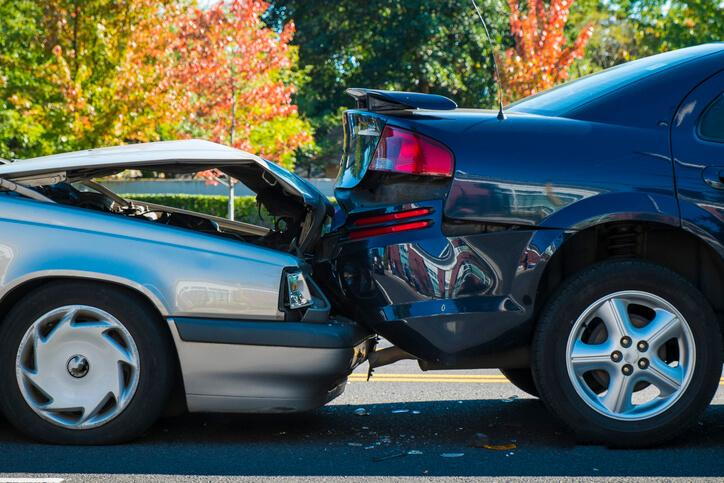
The aftermath of a car accident can be chaotic, leaving those involved shaken and unsure of what happened. But amid the wreckage, the location and severity of the damage to each car can tell a story. This may be important to determining the cause of the accident, which is essential to pursuing insurance claims and other legal actions.
By examining vehicle damage in a crash alongside other forensic evidence, experts can deduce how the collision occurred and who was primarily responsible. The following types of accidents are illustrative:
- Rear-end collisions — These accidents are often blamed on the rear driver for failing to maintain a safe following distance. However, damage patterns can indicate shared fault. While the rear car typically bears the brunt of the impact on its front end, damage to either front corner could indicate that the front vehicle stopped abruptly, forcing the driver behind to swerve and make evasive maneuvers. The severity of damage on both vehicles can also be telling. Extensive damage on the rear car points towards excessive speed, while minimal damage might suggest the front vehicle stopped unexpectedly.
- T-bone collisions — When one car hits another broadside, there are clues about the cause based on the point of impact. Damage to the struck car's doors often points towards the other driver running a red light or failing to yield at an intersection. Conversely, damage to the front of the struck car suggests the driver might have entered the intersection prematurely. If the impact is to the rear of the struck car, it could indicate the driver entered the intersection just before the light turned green.
- Left-turn accidents When a turning car is struck by an oncoming vehicle, the location of the impact is informative. Damage to the front left corner or left side of the oncoming car implies swerving to avoid a collision, potentially placing blame on the turning driver. However, damage to the turning car's right side or rear could mean the oncoming driver had an opportunity to avoid the accident but negligently failed to do so.
The silent story of an automobile accident extends beyond the physical damage. Skid marks on the road offer a glimpse at where a car braked heavily or lost control. Debris scattered around the scene reveals the direction of travel for each vehicle. Witness testimonies, if available, provide firsthand accounts of the events leading up to the crash. By combining all these pieces of evidence — damage analysis, skid marks, debris patterns and witness statements — an accident reconstruction expert can build a comprehensive picture of what transpired on the road.
If you or someone you love has been injured in an automobile accident in Santa Barbara or the surrounding areas, call Pulverman & Pulverman, LLP at 805-962-0397 or contact us online to schedule a free consultation.
How Damage to Vehicles Can Tell the Story of a Collision
- posted: Jul. 13, 2024
- Personal injury, Auto Accidents
The aftermath of a car accident can be chaotic, leaving those involved shaken and unsure of what happened. But amid the wreckage, the location and severity of the damage to each car can tell a story. This may be important to determining the cause of the accident, which is essential to pursuing insurance claims and other legal actions.
By examining vehicle damage in a crash alongside other forensic evidence, experts can deduce how the collision occurred and who was primarily responsible. The following types of accidents are illustrative:
- Rear-end collisions — These accidents are often blamed on the rear driver for failing to maintain a safe following distance. However, damage patterns can indicate shared fault. While the rear car typically bears the brunt of the impact on its front end, damage to either front corner could indicate that the front vehicle stopped abruptly, forcing the driver behind to swerve and make evasive maneuvers. The severity of damage on both vehicles can also be telling. Extensive damage on the rear car points towards excessive speed, while minimal damage might suggest the front vehicle stopped unexpectedly.
- T-bone collisions — When one car hits another broadside, there are clues about the cause based on the point of impact. Damage to the struck car's doors often points towards the other driver running a red light or failing to yield at an intersection. Conversely, damage to the front of the struck car suggests the driver might have entered the intersection prematurely. If the impact is to the rear of the struck car, it could indicate the driver entered the intersection just before the light turned green.
- Left-turn accidents When a turning car is struck by an oncoming vehicle, the location of the impact is informative. Damage to the front left corner or left side of the oncoming car implies swerving to avoid a collision, potentially placing blame on the turning driver. However, damage to the turning car's right side or rear could mean the oncoming driver had an opportunity to avoid the accident but negligently failed to do so.
The silent story of an automobile accident extends beyond the physical damage. Skid marks on the road offer a glimpse at where a car braked heavily or lost control. Debris scattered around the scene reveals the direction of travel for each vehicle. Witness testimonies, if available, provide firsthand accounts of the events leading up to the crash. By combining all these pieces of evidence — damage analysis, skid marks, debris patterns and witness statements — an accident reconstruction expert can build a comprehensive picture of what transpired on the road.
If you or someone you love has been injured in an automobile accident in Santa Barbara or the surrounding areas, call Pulverman & Pulverman, LLP at 805-962-0397 or contact us online to schedule a free consultation.
Contact the Firm

